Rural Canada Is Hiring: Why More Job Opportunities Are Opening Outside Major Cities
Mar-10, 2026
By Admin
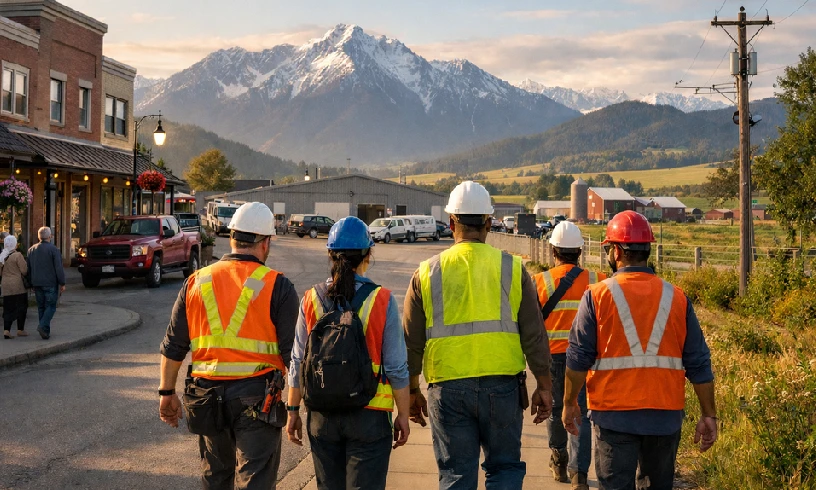
Canada’s job market continues to evolve as more communities across the country look for skilled and dedicated workers. While many newcomers traditionally focus their job search on large metropolitan areas, smaller communities are now offering promising opportunities. Rural regions and smaller cities are actively looking for workers to support their growing economies and to address ongoing labour shortages.
For newcomers who are open to living outside major urban centres, this shift creates exciting possibilities. In fact, many immigrants are discovering that bold Jobs for new immigrants in Canada are increasingly available in rural communities where employers urgently need talent.
Why Rural Canada Needs More Workers
Many rural communities are facing a shortage of workers in essential industries. As older workers retire and younger generations move to large cities, businesses in smaller regions are struggling to fill positions.
These shortages exist across several sectors such as agriculture, construction, healthcare support, manufacturing, transportation, and hospitality. Employers in these regions are often eager to hire newcomers because they bring valuable skills, strong work ethic, and long term commitment.
This situation has opened new doors for immigrants searching for stable employment and long term settlement opportunities.
Growing Demand Across Different Industries
Rural regions are not limited to farming jobs. In fact, a wide range of industries are expanding outside major cities.
Some of the most common sectors hiring newcomers include:
- Healthcare support roles such as personal care assistants and medical support workers
- Manufacturing and production jobs in factories and processing plants
- Construction roles including labourers, technicians, and trades workers
- Transportation and logistics jobs such as truck drivers and warehouse staff
- Hospitality and tourism positions in hotels, restaurants, and resorts
Because of the shortage of local workers, employers in these areas often provide training and support to help new employees succeed.
Lower Cost of Living
One of the biggest advantages of living in smaller communities is the lower cost of living. Housing prices and rent are generally much more affordable compared to large metropolitan cities.
Lower daily expenses allow newcomers to save more money and build financial stability faster. Many families find that smaller communities offer a better quality of life, less traffic, and more access to nature.
This financial advantage makes rural areas an attractive option for people searching for bold Jobs for new immigrants in Canada while also planning for long term settlement.
Easier Access to Job Opportunities
Competition for jobs in large cities can be very intense. Thousands of applicants may apply for a single position. In rural areas, the competition is often much lower because fewer people are applying.
This means newcomers may find it easier to secure interviews and employment more quickly. Employers in smaller communities are also more willing to consider candidates who are motivated and ready to learn.
For many immigrants, starting their careers in smaller communities becomes an effective way to gain Canadian work experience.
Community Support for Newcomers
Many rural regions actively welcome immigrants and provide support programs to help them settle successfully. These communities understand that newcomers play a vital role in supporting local businesses and economic growth.
New residents often find friendly neighborhoods, supportive employers, and opportunities to integrate into local life. Community organizations may also provide guidance with housing, language support, and job search assistance.
As a result, newcomers who explore opportunities outside major cities may discover a welcoming environment along with promising bold Jobs for new immigrants in Canada.
Long Term Career Growth
Starting a career in a rural community does not limit future opportunities. Many workers build strong experience and professional networks that allow them to grow in their careers.
Some newcomers choose to stay long term because they enjoy the lifestyle and stability these communities offer. Others use the experience gained to advance into higher positions or explore different industries.
Employers in smaller regions often value loyalty and dedication, which can lead to long term job security and career development.
Conclusion
Canada’s smaller communities are becoming an important part of the country’s workforce strategy. With growing labour shortages, employers outside major cities are opening their doors to talented newcomers who are ready to contribute.
For immigrants willing to explore opportunities beyond the biggest cities, rural Canada offers real potential. From lower living costs to easier access to employment, these communities provide a strong starting point for building a successful future.
Exploring bold Jobs for new immigrants in Canada in rural areas may not only lead to stable employment but also to a welcoming community and a better quality of life.