The Future of Immigration Is Taking a More Focused Direction
Nov-10, 2026
By Admin
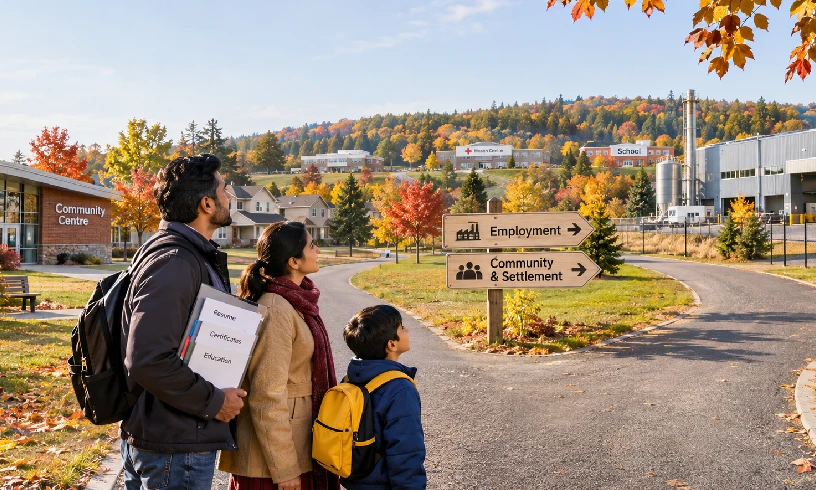
Canada's immigration system is entering a period of greater focus on economic priorities, workforce requirements, and sustainable population growth. The latest immigration levels plan outlines a direction that places greater emphasis on skilled workers, people already contributing to Canadian communities, and occupations that support the country's long-term economic development.
For newcomers hoping to build a future in Canada, these developments are important. Immigration opportunities are increasingly connected with employment needs, professional qualifications, regional labour shortages, and the ability to contribute to the Canadian workforce. At the same time, the government is planning to manage the number of new temporary residents and maintain more predictable permanent resident admissions.
This does not mean that opportunities for immigrants are disappearing. Instead, the selection process is becoming more targeted, making it important for prospective immigrants and people already living in Canada to understand the changing priorities and prepare accordingly.
A More Focused Approach to Immigration Planning
The latest Immigration Levels Plan for 2027 to 2029 reflects Canada's intention to maintain more stable immigration numbers while supporting economic growth. The plan sets an annual target of 380,000 permanent resident admissions for each of the three years.
New temporary resident arrivals are also expected to remain at 370,000 annually. This includes approximately 220,000 temporary workers and 150,000 international students each year.
These targets indicate a more controlled approach to immigration compared with the higher admission levels seen in previous years. The objective is to balance the need for international talent with pressures on housing, public services, infrastructure, and local communities.
For newcomers, this means immigration planning may require more attention to the specific programs, occupations, and qualifications that align with Canada's economic priorities. Understanding the available pathways before making major decisions can help applicants avoid relying on outdated expectations.
Economic Immigration Remains a Major Priority
One of the most important details in the latest plan is the continued emphasis on economic immigration. Approximately 64.4 percent of planned permanent resident admissions will fall under the economic category across the three-year period.
This reflects the importance of attracting people who can contribute to Canada's workforce, support business development, fill persistent labour shortages, and strengthen communities. Skilled professionals, qualified tradespeople, and workers with experience in important sectors will continue to play a significant role in the country's immigration strategy.
Several sectors receiving attention include:
- Healthcare: Qualified healthcare professionals remain important for hospitals, clinics, community care, and other essential services.
- Construction: Skilled tradespeople and construction professionals can contribute to housing, infrastructure, and major development projects.
- Education: Teachers, educators, and other qualified professionals support schools, childcare services, and learning institutions.
- Technology and artificial intelligence: Digital specialists, software professionals, and other technology workers can contribute to innovation and business development.
- Energy and critical minerals: Technical professionals and skilled workers support energy development, resource projects, and related industries.
- Defence: Specialized technical and professional skills are important for supporting Canada's defence capabilities.
However, being employed in one of these sectors does not automatically qualify someone for permanent residence. Applicants must still meet the requirements of the relevant immigration program, including occupational eligibility, work experience, education, language proficiency, and other conditions.
Workers Already in Canada Could Receive Greater Attention
One notable direction in the latest immigration plan is the intention to create additional opportunities for people who are already living and contributing to Canadian communities.
The government has announced a time-limited measure intended to help up to 200,000 people already in Canada transition to permanent residence through two groups. These include a workers cohort and a humanitarian cohort.
For the workers cohort, the plan aims to transition up to 100,000 people already in Canada, along with their accompanying family members, to permanent residence. The process will involve cooperation with provincial and territorial governments to identify workers who meet regional labour market needs.
This is particularly relevant for temporary workers who have established themselves in Canadian communities, gained local experience, and developed professional connections. The initiative may create additional opportunities for eligible workers, but it is not an automatic permanent residence program for everyone holding a work permit.
People currently working in Canada should continue to maintain valid immigration status, keep their employment records accurate, and monitor official announcements about eligibility and application procedures. They should not assume that simply having Canadian work experience guarantees selection under this measure.
Regional Immigration Is Becoming More Important
Canada's workforce needs are not the same in every province or community. Large cities may have different employment requirements from smaller towns, rural regions, and communities experiencing shortages in essential services.
The latest immigration plan places greater emphasis on working with provinces and territories to identify the skills and workers needed in their regions. Provincial immigration programs and regional pathways are expected to remain important tools for addressing local workforce requirements.
For newcomers, this creates a reason to look beyond the most familiar employment destinations. Some smaller communities may offer opportunities in healthcare, construction, education, food production, and other essential industries.
However, choosing a location requires careful research. Job availability, wages, housing costs, transportation, access to services, and professional licensing requirements can differ significantly between communities.
Before moving to another province or accepting employment in a smaller community, newcomers should understand the conditions of the relevant immigration pathway. Some programs require candidates to have a qualifying job offer, meet specific occupational criteria, or demonstrate an intention to settle in the participating region.
French Language Skills Continue to Create Opportunities
French-speaking immigration outside Quebec remains another important part of Canada's long-term immigration strategy. The latest plan sets increasing targets for French-speaking permanent resident admissions outside Quebec, reaching 9.5 percent in 2027, 10.5 percent in 2028, and 12 percent in 2029.
This reflects the importance of supporting Francophone communities and maintaining French-language services across different parts of the country.
For newcomers, developing French language skills may offer additional advantages. It can improve eligibility for certain immigration pathways, strengthen Express Entry profiles where applicable, and expand employment possibilities in bilingual workplaces.
French can be particularly valuable in education, healthcare, public services, customer support, and community-based employment. However, language requirements vary between occupations and employers. Candidates should consider their current proficiency and the level required for their preferred career.
People who already speak French may benefit from presenting their language abilities clearly in their immigration profiles and job applications. Those who are still learning can consider structured language training as part of their long-term career preparation.
Temporary Foreign Worker Rules Are Also Evolving
Alongside the new immigration levels plan, changes to the Temporary Foreign Worker Program indicate that Canada is looking for a more targeted way to respond to employer needs.
Changes announced in November include a longer possible Labour Market Impact Assessment duration under the Low-Wage Stream. For applications submitted on or after November 6, eligible LMIAs may have a maximum duration of up to two years, compared with the previous one-year limit.
Early childhood educators have also been added to the list of priority-sector exceptions to certain restrictions on processing low-wage LMIA applications in metropolitan areas with unemployment rates of six percent or higher.
Further regional changes are planned for March 2027, subject to provincial and territorial participation. These measures are intended to make the program more responsive to local labour market conditions while maintaining safeguards for Canadian workers.
Temporary foreign workers should understand that an LMIA and a work permit are not the same as permanent residence. These changes may affect employment arrangements, but workers still need to qualify separately for any permanent residence pathway they wish to pursue.
What Skilled Immigrants Should Do to Prepare
As immigration selection becomes more closely connected with workforce priorities, newcomers can benefit from taking a more organized approach to career and immigration planning.
For people exploring Newcomers jobs in Canada, the following steps can help make the process more practical:
- Research occupations carefully: Understand which industries are hiring, what qualifications employers expect, and whether your occupation is relevant to available immigration pathways.
- Understand your immigration options: Review federal and provincial programs and identify the requirements that apply to your personal circumstances.
- Improve language proficiency: Strong English or French skills can support employment prospects and may also contribute to immigration eligibility.
- Prepare professional documents: Keep your educational credentials, employment letters, professional certificates, and language test results organized.
- Explore regional opportunities: Consider employment outside major cities where suitable positions and immigration pathways may be available.
- Develop Canadian workplace experience: Where legally authorized, relevant employment can help you understand local expectations and build professional connections.
- Monitor official announcements: Immigration policies and application procedures can change, so always check the latest requirements before applying.
These steps can help newcomers make informed choices instead of relying on assumptions about which occupations or immigration programs will remain available.
Why Realistic Immigration Planning Matters More Than Ever
A more focused immigration system makes it especially important for newcomers to understand the difference between a promising opportunity and a guaranteed outcome.
A job offer does not automatically provide permanent residence. Working in a priority sector does not guarantee selection, and living in a smaller community does not necessarily make someone eligible for a provincial or regional program.
Applicants should also be cautious about individuals who promise guaranteed immigration results, sell job offers, or claim to have special access to permanent residence programs. Genuine employment opportunities and legitimate immigration pathways have specific requirements that must be verified.
It is sensible to build a plan that includes more than one possible career or immigration option. A newcomer may need additional training, improved language skills, relevant work experience, or a different location before becoming eligible for a particular pathway.
Professional advice can be helpful when immigration circumstances are complicated. Anyone seeking paid immigration representation should verify that the person is authorized to provide the relevant services.
Conclusion
Canada's latest immigration direction reflects a stronger focus on economic contribution, workforce needs, regional development, and sustainable population growth. Permanent resident admissions are planned to remain stable, while economic immigration continues to represent the largest share of admissions.
The intention to help established workers transition to permanent residence is also an important development for people who are already contributing to Canadian communities. At the same time, the growing importance of regional immigration, French-language skills, and targeted employment pathways shows that newcomers may need to think more carefully about their professional and settlement plans.
For prospective immigrants and people already living in Canada, preparation remains essential. Understanding the rules, developing relevant skills, finding suitable employment, and keeping immigration documents up to date can help create a stronger foundation for the future.
The opportunities available to newcomers will depend on their qualifications, experience, language abilities, and individual circumstances. By staying informed and making realistic decisions, skilled immigrants can better prepare themselves for Canada's changing immigration landscape and work toward a stable future.